














ASME B18.2.1 vs. DIN 931/933 Hex Bolt Underhead Fillet Radius: How Do Differences Fundamentally Affect Fatigue Life and Stress Concentration Factor (Kt)?
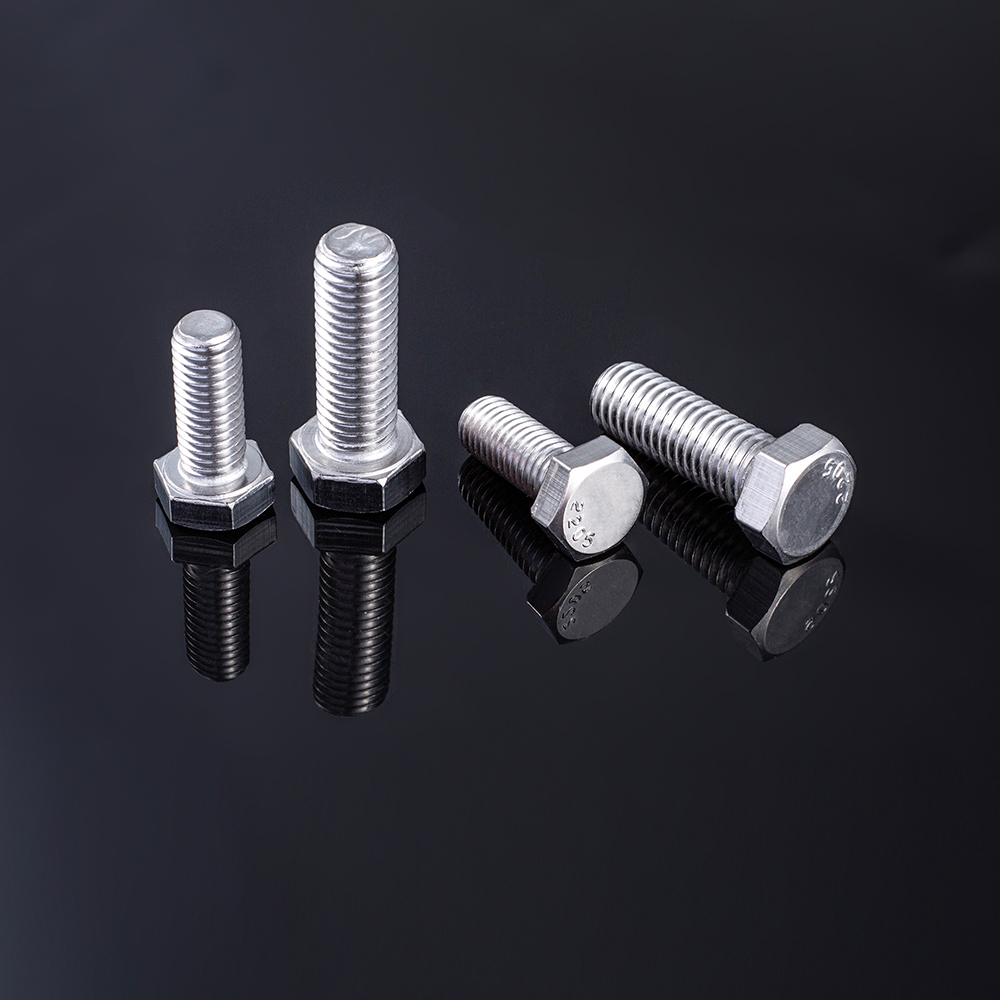
The underhead fillet radius—the curved transition zone between the bolt head and shank—is one of the most critical geometric features determining a hex bolt's fatigue performance. While ASME B18.2.1 (American Standard) and DIN 931/933 (German Standard) both specify hex bolts for general industrial use, their differing requirements for this fillet geometry have profound implications on stress concentration and fatigue life. This article dissects these differences from a mechanical engineering and manufacturing perspective.
1. Standard Differences: Fillet Radius Requirements
The following table summarizes the key dimensional and design philosophy differences between ASME and DIN hex bolts regarding the underhead fillet.
| Parameter | ASME B18.2.1 (Inch Series) | DIN 931/933 (Metric Series) |
|---|---|---|
| Fillet Radius Definition | Specified as a maximum radius, allowing a wide manufacturing tolerance range | Specifies a minimum radius, ensuring a smoother transition for fatigue-critical applications |
| Typical Radius Range (M10–M24 equivalent) | 0.8–1.4 mm (max.) | ≥ 1.0 mm (min.) |
| Measurement Reference | Measured at the junction of head and shank | Measured with a radius gauge; must meet minimum requirement |
| Design Philosophy | Prioritizes manufacturing economy with acceptable but higher Kt | Prioritizes fatigue strength with lower Kt and extended service life |
2. The Physics of Stress Concentration: How Fillet Radius Affects Kt
The Stress Concentration Factor (Kt) describes the amplification of nominal stress at a geometric discontinuity. For the underhead fillet, a smaller radius concentrates stress into a narrower area, dramatically increasing the local stress peak. The physics are well established:
- Local Stress Peak: A sharp, small-radius fillet forces stress flow lines to bend sharply, creating a localized stress peak that can be several times higher than the nominal shank stress.
- Strain Gradient: A larger radius spreads the stress over a greater area, reducing the peak value and creating a more favorable strain gradient—effectively lowering the driving force for crack initiation.
- Cyclic Loading Vulnerability: Under dynamic loads, the high stress concentration at a sharp fillet becomes the preferred site for fatigue crack nucleation, leading to premature failure.
Experimental evidence confirms this relationship: increasing the fillet radius from the minimum to a larger optimized value reduces the stress concentration factor significantly. Finite element analyses have demonstrated that optimizing fillet geometry can reduce the maximum Von-Mises stress by over 40%, with Kt dropping from ~9.08 to ~5.35.
Fatigue tests on fasteners have shown that a larger fillet radius can directly translate to fatigue life extension—in some cases by a factor of 2 or more under identical cyclic loads.
3. Fatigue Life Implications: Which Standard Performs Better?
Because fatigue cracks typically initiate at stress concentration sites, the underhead fillet is a known critical zone—accounting for approximately 15% of bolt fatigue failures. The standard's approach to the fillet radius directly impacts the bolt's performance under cyclic loads.
- DIN-style (Larger Minimum Radius): The requirement for a larger minimum radius lowers the stress concentration, making the bolt more resistant to fatigue crack initiation. This is particularly beneficial in applications with moderate to high cyclic loads and vibration.
- ASME-style (Maximum Radius with Broad Tolerance): While the standard allows for a broad range, it does not mandate a large minimum radius. Bolts manufactured with radii at the lower end of the tolerance will experience higher stress concentration and reduced fatigue life compared to their DIN counterparts.
It is worth noting that the majority of bolt fatigue failures occur at the first engaged thread (approximately 70%), with the thread runout and underhead fillet representing the next most vulnerable locations. However, for applications where the threaded engagement is well-designed and load distribution is optimized, the underhead fillet becomes the decisive factor.
4. Manufacturing Perspective: Achieving Optimal Fillet Geometry
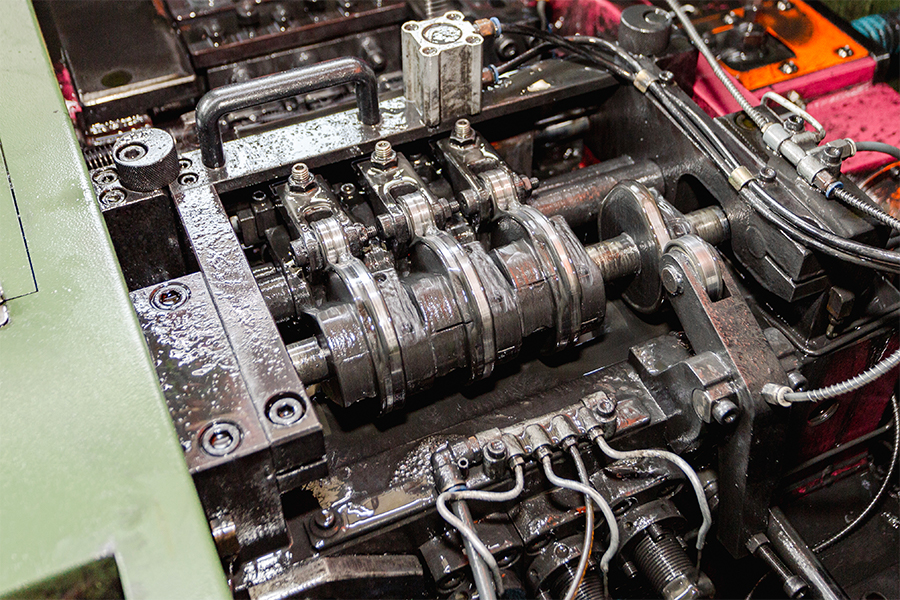
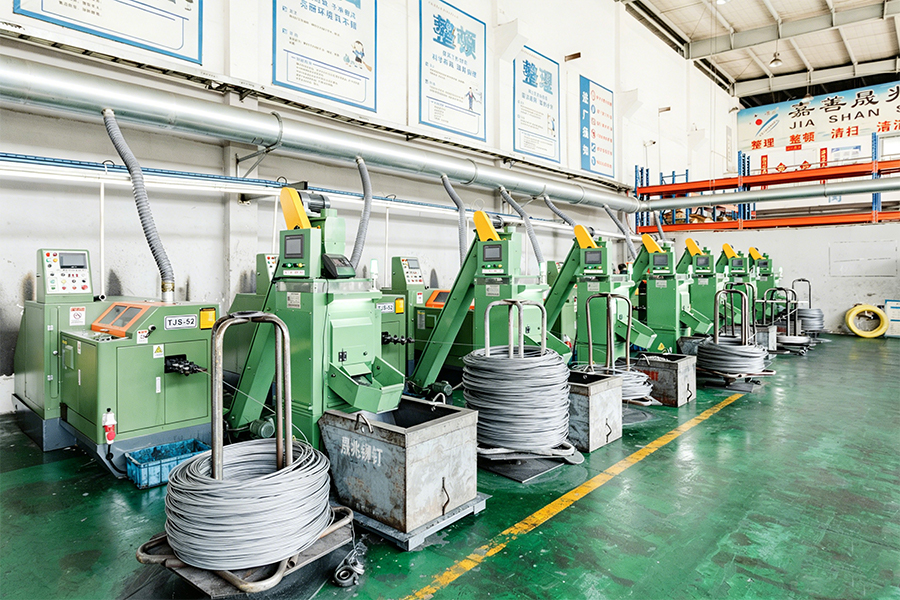
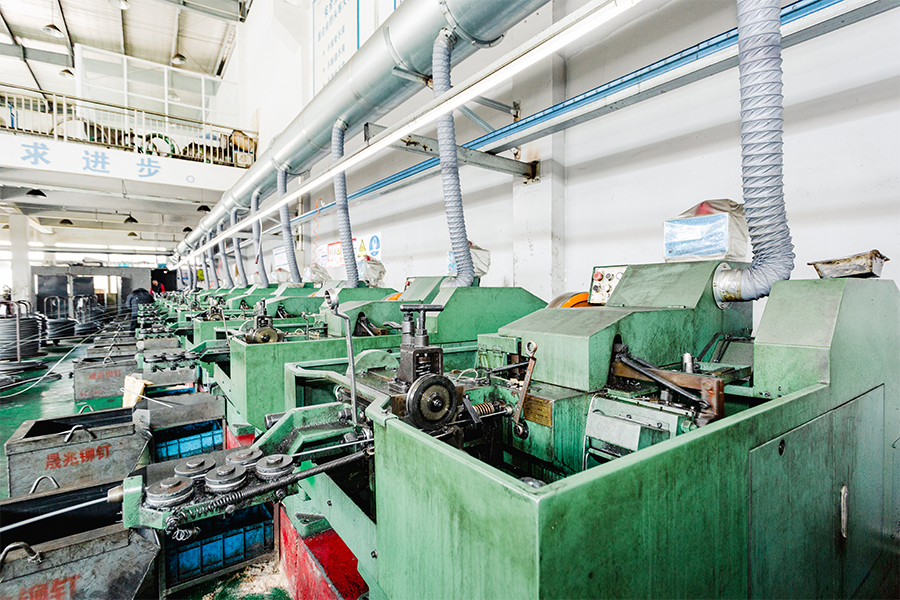
Manufacturing processes play a crucial role in achieving the desired fillet geometry and its fatigue-enhancing effects. The cold heading process inherently creates a fillet, but its radius and surface quality can vary significantly. Surface treatments such as fillet rolling or shot peening can further enhance fatigue life by introducing beneficial compressive residual stresses and improving surface finish.
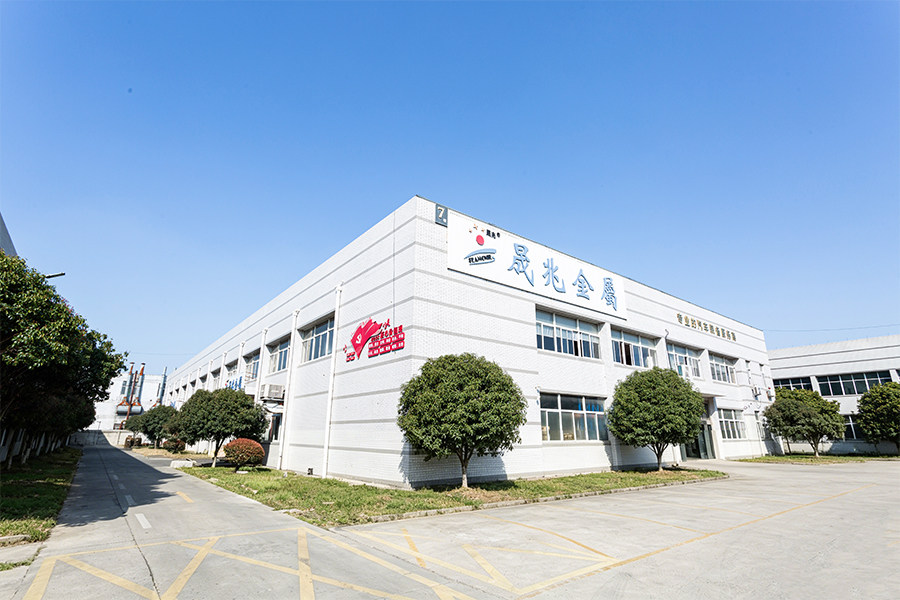
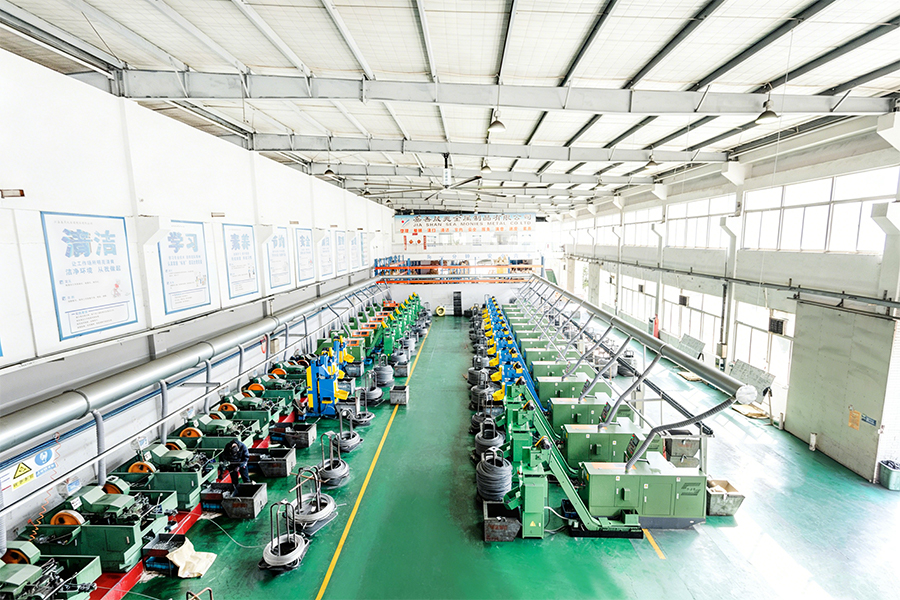
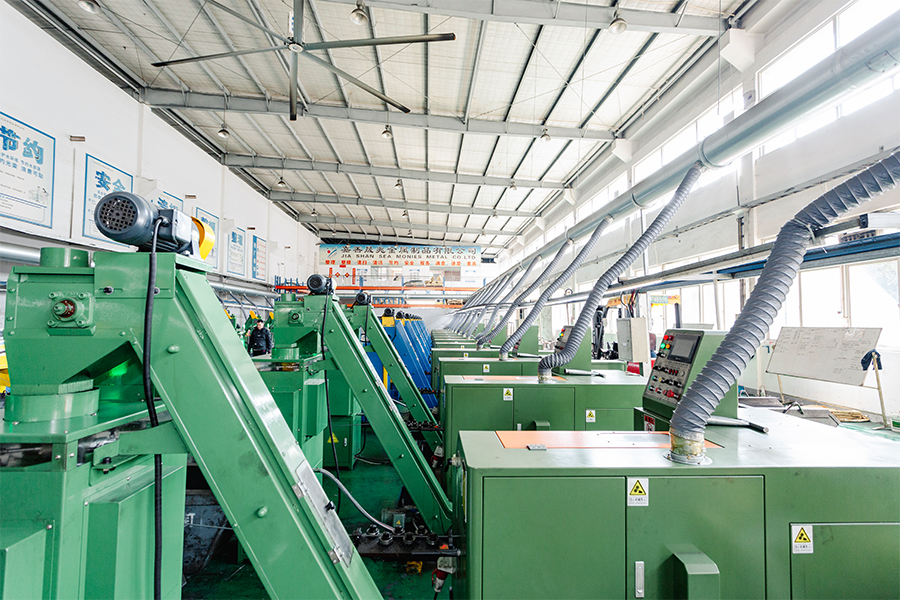
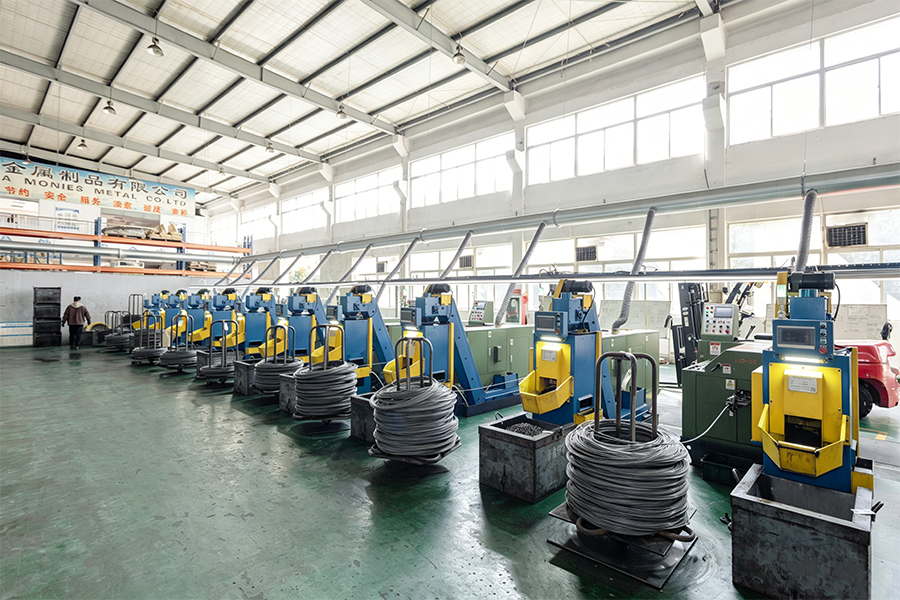
Zhejiang Chance & Union Import and Export Co., Ltd. (Chance & Union) is a family-owned enterprise under SEA Monies Metal Co., Ltd., inheriting 20 years of family experience and quality heritage in metal manufacturing. Relying on Shengzhao Metal's strong production capacity and supply chain advantages, we specialize in the R&D, production and global sales of high-quality metal products. Adhering to the family's pursuit of precision, rigorous working attitude and long-term commitment, we deliver stable and reliable products and services to customers across the globe.
Leveraging the factory's robust R&D and production capabilities, we specialize in high-strength rivets, bolts, nuts, washers, pins, screws, and various non-standard custom parts. Our product range covers materials including stainless steel, alloy steel, aluminum alloy, copper, and special alloys, utilizing processes such as cold heading, hot forging, and CNC machining. Our products are exported to over 25 countries, serving more than 200 clients.
Chance & Union is committed to seamlessly connecting "Manufactured in China" with the international market, providing global customers with one-stop fastening solutions from R&D to mass production through professional technology and exceptional quality. For customers requiring superior fatigue performance, we can produce hex bolts with optimized underhead fillet radii that meet or exceed DIN specifications.
5. Frequently Asked Questions (FAQ)
- Q1: Are ASME and DIN hex bolts interchangeable for fatigue-critical applications?
A: Not without verifying the fillet geometry. While both standards are dimensionally similar, the ASME standard's broader fillet tolerance can result in sharper radii that reduce fatigue life. Zhejiang Chance & Union Import and Export Co., Ltd. (Chance & Union) recommends specifying the minimum fillet radius and surface finish requirements to ensure consistent fatigue performance. - Q2: How can I verify the underhead fillet radius of a received bolt batch?
A: Fillet radius can be inspected using radius gauges, optical comparators, or coordinate measuring machines (CMM). Zhejiang Chance & Union Import and Export Co., Ltd. (Chance & Union) provides inspection reports and can tailor manufacturing parameters to ensure compliance with your specified fillet requirements. - Q3: Can post-manufacturing processes improve the fatigue life of bolts with small fillet radii?
A: Yes. Fillet rolling after heat treatment (cold working) or shot peening can introduce compressive residual stresses that significantly increase fatigue life. Zhejiang Chance & Union Import and Export Co., Ltd. (Chance & Union) offers these value-added services to enhance the performance of standard and custom hex bolts.
ASTM A153 vs. ISO 1461: Quantifying the Coating Thickness Differences for M20 and Larger HDG Hex Bolts
When specifying hot-dip galvanized (HDG) hex bolts for heavy infrastructure—transmission towers, bridge connections, or offshore platforms—the choice between ASTM A153 and ISO 1461 standards directly determines the minimum corrosion protection level. For M20 and larger diameter fasteners (typically > 6 mm or 1/4 inch equivalent), the two standards diverge significantly in their coating thickness requirements. This article provides a side‑by‑side quantitative comparison and explains the practical implications.
1. The Fundamental Distinction: Hardware vs. General Fabrications
ASTM A153 is specifically designed for "hardware"—threaded fasteners, washers, and similar small or centrifuged items. ISO 1461 (and its regional equivalent EN ISO 1461), by contrast, applies broadly to fabricated steel articles, including structural sections, plates, and pipes. While ISO 1461 does contain a separate section for centrifuged articles (including threaded fasteners), its thickness tables are structured around steel thickness categories rather than fastener class.
For M20 and larger hex bolts, both standards apply the same fundamental principle: the base steel thickness exceeds 6 mm, triggering the highest coating thickness tier. However, the required minimums differ measurably.
2. Quantitative Coating Thickness Comparison
The following table presents the minimum coating thickness requirements for M20 and larger HDG hex bolts under both standards.
| Parameter | ASTM A153 (Class C – Fasteners > 3/8″ / M10) | ISO 1461 (Centrifuged Articles > 6 mm diameter) |
|---|---|---|
| Minimum Local Coating Thickness | 1.7 mils ≈ 43 µm | 40 µm (equiv. 285 g/m²) |
| Minimum Mean (Average) Coating Thickness | 2.1 mils ≈ 53 µm | 50 µm (equiv. 360 g/m²) |
| Coating Mass Reference | Thickness measured directly (mils or µm) | Specified in both µm and g/m² |
| Measurement Method | Magnetic thickness gauge or gravimetric | Magnetic thickness gauge or gravimetric |
| Typical Application | Bolts, nuts, washers, and other hardware | Hardware, structural sections, and fabricated steel |
Note: ASTM A153 Class C covers fasteners over 3/8 inch (≈ M10) in diameter. For M20 and larger bolts, this classification applies directly. The minimum local thickness of 1.7 mils (≈ 43 µm) is a hard requirement for any single specimen, while the mean thickness must reach 2.1 mils (≈ 53 µm).
ISO 1461 specifies a minimum local thickness of 40 µm and a mean thickness of 50 µm for centrifuged threaded articles with a diameter greater than 6 mm.
3. Practical Implications of the Difference
The quantitative difference—approximately 3 µm in local minimum and 3 µm in mean thickness—may appear small, but it carries significant implications for quality compliance and service life.
- ISO 1461's Stricter Local Minimum: At 40 µm, ISO 1461's local minimum is slightly lower than ASTM A153's 43 µm (1.7 mils). However, ISO 1461's mean requirement of 50 µm aligns closely with ASTM's 53 µm. The practical difference lies in inspection: a batch meeting ASTM A153 will automatically satisfy ISO 1461's thickness minimums, but the reverse is not guaranteed if local thickness falls below 43 µm.
- Inspection and Rejection Criteria: ASTM A153 permits individual specimens to fall to the local minimum, provided the average across the sample meets the mean requirement. ISO 1461 applies a similar logic but uses slightly different rounding and measurement protocols.
- Service Life Correlation: Thicker coatings generally provide longer corrosion protection in aggressive environments. The 3 µm difference represents a marginal but measurable extension of time to first red rust in accelerated salt spray testing.
It is also worth noting that ISO 1461 is harmonized with EN ISO 10684—a dedicated fastener standard—for thread tolerance requirements, which ensures that nuts can be assembled without galling.
4. Manufacturing and Quality Assurance Perspective
Consistently achieving these coating thickness minimums on large-diameter hex bolts demands precise control of immersion time, withdrawal speed, and spin-centrifuging parameters. Post‑galvanizing thread tapping or brushing is often required to maintain ISO 965-1 thread fit tolerances—a step that must not reduce the coating below the specified minimums.
Zhejiang Chance & Union Import and Export Co., Ltd. (Chance & Union) is a family-owned enterprise under SEA Monies Metal Co., Ltd., inheriting 20 years of family experience and quality heritage in metal manufacturing. Relying on Shengzhao Metal's strong production capacity and supply chain advantages, we specialize in the R&D, production and global sales of high-quality metal products. Adhering to the family's pursuit of precision, rigorous working attitude and long-term commitment, we deliver stable and reliable products and services to customers across the globe.
Leveraging the factory's robust R&D and production capabilities, we specialize in high-strength rivets, bolts, nuts, washers, pins, screws, and various non-standard custom parts. Our product range covers materials including stainless steel, alloy steel, aluminum alloy, copper, and special alloys, utilizing processes such as cold heading, hot forging, and CNC machining. Our products are exported to over 25 countries, serving more than 200 clients.
Chance & Union is committed to seamlessly connecting "Manufactured in China" with the international market, providing global customers with one-stop fastening solutions from R&D to mass production through professional technology and exceptional quality. For HDG hex bolts, we strictly control coating thickness to meet or exceed both ASTM A153 and ISO 1461 requirements, with full inspection reports provided for each batch.
5. Frequently Asked Questions (FAQ)
- Q1: Can a batch of M20 HDG bolts meet both ASTM A153 and ISO 1461 simultaneously?
A: Yes. Because ASTM A153's local minimum (43 µm) is slightly higher than ISO 1461's (40 µm) for larger fasteners, any batch that fully complies with ASTM A153 will also satisfy ISO 1461's local and mean requirements. Zhejiang Chance & Union Import and Export Co., Ltd. (Chance & Union) routinely produces HDG hex bolts that meet both standards, simplifying global procurement. - Q2: Which standard is more commonly specified for infrastructure projects outside North America?
A: ISO 1461 is the default standard for most European, Asian, and Middle Eastern projects. However, many international specifiers accept either standard, provided the coating thickness meets or exceeds the applicable minimums. Zhejiang Chance & Union Import and Export Co., Ltd. (Chance & Union) can supply products certified to either standard, or both, based on project requirements. - Q3: Does a thicker HDG coating affect thread fit for M20 bolts?
A: Yes. Excessively thick coatings can interfere with thread tolerances. Both ASTM A153 and ISO 1461 permit thread tapping or brushing after galvanizing to ensure proper nut fit, provided the specified minimum coating thickness is maintained. Zhejiang Chance & Union Import and Export Co., Ltd. (Chance & Union) applies controlled spin-centrifuging and, where necessary, post‑galvanizing thread cleaning to ensure bolts and nuts assemble smoothly.





