















Wie schneidet Edelstahl bei Präzisionsschrauben für die Elektronik im Vergleich zu Kohlenstoffstahl ab?
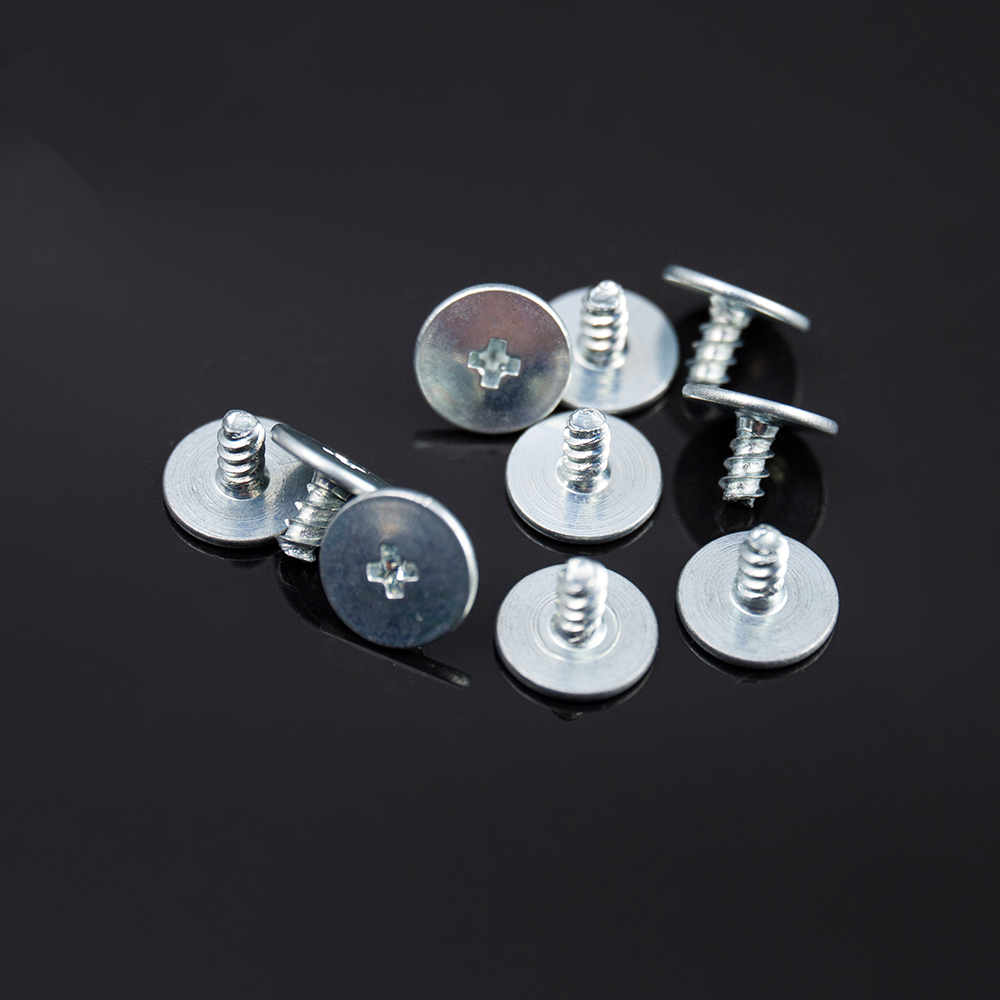
Da elektronische Produkte immer kleiner, leichter und funktionaler werden, haben sich auch die Befestigungskomponenten entsprechend weiterentwickelt. Präzisions-Elektronikschrauben spielen eine entscheidende Rolle bei der Gewährleistung der strukturellen Integrität, Dimensionsstabilität und langfristigen Zuverlässigkeit elektronischer Geräte. Obwohl diese Verbindungselemente klein sind, hat die Materialauswahl einen erheblichen Einfluss auf die Produktleistung, die Montageeffizienz, die Korrosionsbeständigkeit und die Lebensdauer.
Unter den am häufigsten verwendeten Materialien bieten Edelstahl und Kohlenstoffstahl jeweils einzigartige Vorteile. Die Auswahl des geeigneten Materials hängt von den Umgebungsbedingungen, mechanischen Anforderungen, Herstellungsprozessen und Kostenüberlegungen ab und nicht nur von der Wahl der stärksten oder kostengünstigsten Option.
Warum ist die Materialauswahl für Präzisionselektronikschrauben wichtig?
Im Gegensatz zu herkömmlichen Verbindungselementen sind elektronische Präzisionsschrauben mit extrem engen Maßtoleranzen und gleichbleibender Gewindegenauigkeit konstruiert. Sie werden häufig in Produkten eingesetzt, bei denen selbst geringfügige Abweichungen die Montagegenauigkeit oder die Geräteleistung beeinträchtigen können.
Typische Anwendungen sind:
- Smartphones und Tablets
- Notebook-Computer
- Tragbare Elektronik
- Medizinische elektronische Geräte
- Kommunikationsgeräte
- Optische Instrumente
- Unterhaltungselektronik
- Präzise Steuerungssysteme
Da diese Produkte häufig Vibrationen, Temperaturschwankungen, Feuchtigkeit und wiederholter Montage ausgesetzt sind, müssen Schraubenmaterialien eine ausgewogene mechanische und umweltbezogene Leistung bieten.
Edelstahl für präzise elektronische Schrauben verstehen
Edelstahl ist bekannt für seine hervorragende Korrosionsbeständigkeit und sein attraktives Oberflächenfinish. Es enthält Chrom, das eine schützende Oxidschicht bildet, die das Material vor Oxidation schützt.
Herkömmliche Mikroschrauben aus Edelstahl bieten:
| Eigentum | Leistung |
|---|---|
| Korrosionsbeständigkeit | Ausgezeichnet |
| Oberflächenbeschaffenheit | Hell und attraktiv |
| Rostschutz | Hervorragend |
| Stärke | Mäßig bis hoch |
| Haltbarkeit | Ausgezeichnet |
| Wartung | Minimal |
Aufgrund dieser Eigenschaften eignet sich Edelstahl besonders für elektronische Produkte, die feuchten Umgebungen ausgesetzt sind oder eine langfristige Stabilität des Erscheinungsbilds erfordern.
Ein weiterer Vorteil ist die Formstabilität im Langzeitbetrieb. Edelstahl widersteht Oxidation und behält die Gewindequalität auch nach längerem Gebrauch bei.
Kohlenstoffstahl für Präzisionselektronikschrauben verstehen
Kohlenstoffstahl ist aufgrund seiner hervorragenden mechanischen Festigkeit und Fertigungseffizienz seit langem eines der am häufigsten verwendeten Befestigungsmaterialien.
Nach entsprechender Wärmebehandlung bieten Miniaturschrauben aus Kohlenstoffstahl:
| Eigentum | Leistung |
|---|---|
| Mechanische Festigkeit | Sehr hoch |
| Härte | Ausgezeichnet |
| Bearbeitungsleistung | Ausgezeichnet |
| Produktionseffizienz | Hoch |
| Kosteneffizienz | Hoch |
| Kompatibilität der Oberflächenbehandlung | Ausgezeichnet |
Kohlenstoffstahl selbst weist eine begrenzte Korrosionsbeständigkeit auf. Daher werden üblicherweise Schutzbeschichtungen wie Verzinkung, Schwarzoxidierung, Vernickelung oder andere Oberflächenbehandlungen aufgetragen, um die Haltbarkeit zu verbessern.
Für viele elektronische Produkte im Innenbereich, die in kontrollierten Umgebungen eingesetzt werden, bietet beschichteter Kohlenstoffstahl eine zuverlässige Befestigungsleistung bei gleichzeitig wettbewerbsfähigen Produktionskosten.
Edelstahl vs. Kohlenstoffstahl: Wichtiger Materialvergleich
Die Wahl zwischen Edelstahl und Kohlenstoffstahl sollte eher auf den Anwendungsanforderungen als auf der Materialpräferenz basieren.
| Vergleichsfaktor | Edelstahl | Kohlenstoffstahl |
|---|---|---|
| Korrosionsbeständigkeit | Ausgezeichnet | Mäßig mit Beschichtung |
| Mechanische Festigkeit | Hoch | Sehr hoch after heat treatment |
| Rostbeständigkeit | Ausgezeichnet | Hängt von der Oberflächenbehandlung ab |
| Oberflächenerscheinung | Hell und sauber | Variiert je nach Beschichtung |
| Herstellungskosten | Hocher | Niedriger |
| Verschleißfestigkeit | Gut | Ausgezeichnet |
| Outdoor-Eignung | Ausgezeichnet | Erfordert Schutz |
| Elektronische Wohnanwendungen | Ausgezeichnet | Weit verbreitet im Innenbereich |
Keines der Materialien ist allgemein überlegen. Stattdessen zeichnet sich jeder unter unterschiedlichen Betriebsbedingungen aus.
Welches Material schneidet bei elektronischen Anwendungen besser ab?
Elektronische Produkte stellen besondere Anforderungen an Befestigungskomponenten.
Korrosionsbeständigkeit
Tragbare Geräte, Industrieelektronik und Outdoor-Geräte können Feuchtigkeit, Schweiß, Kondensation oder wechselnden Temperaturen ausgesetzt sein.
In diesen Umgebungen bieten Präzisions-Elektronikschrauben aus Edelstahl einen hervorragenden Langzeitschutz, da die Korrosionsbeständigkeit in das Material selbst integriert ist.
Kohlenstoffstahl ist im Allgemeinen auf Oberflächenbeschichtungen angewiesen, um einen vergleichbaren Schutz zu erreichen.
Mechanische Festigkeit
Produkte, die wiederholten Montage-, Vibrations- oder mechanischen Belastungen ausgesetzt sind, profitieren oft von der höheren Härte von wärmebehandeltem Kohlenstoffstahl.
Beispiele hierfür sind:
- Industrielle Steuerungsausrüstung
- Elektronische Module für die Automobilindustrie
- Kommunikationsschränke
- Mechanische Steuerungssysteme
Eine höhere Härte trägt dazu bei, die Gewindeverformung beim wiederholten Anziehen zu reduzieren.
Anforderungen an das Aussehen
Viele hochwertige Elektronikprodukte legen Wert auf sichtbare Befestigungselemente.
Edelstahl bietet von Natur aus:
- Konsistente Farbe
- Glatte Oberfläche
- Langanhaltendes Aussehen
- Reduzierte Verfärbung
Dadurch eignet es sich für exponierte Montagen, bei denen es auf die Ästhetik ankommt.
Fertigungspräzision
Sowohl Edelstahl als auch Kohlenstoffstahl können bei der Verarbeitung mit fortschrittlichen Produktionstechnologien eine hohe Fertigungsgenauigkeit erreichen.
Hochwertige Mikroschrauben erfordern typischerweise:
- Präzises Kaltstauchen
- Präzises Gewinderollen
- CNC-Sekundärbearbeitung
- Strenge Maßkontrolle
- Stabile Wärmebehandlung
- Konsistente Oberflächenveredelung
Materialqualität und Fertigungskontrolle bestimmen gemeinsam die endgültige Präzision.
Oberflächenbehandlungen erweitern die Materialleistung
Die Oberflächenbehandlung verbessert die Leistung von Verbindungselementen aus Kohlenstoffstahl erheblich und kann auch Produkte aus rostfreiem Stahl optimieren.
| Oberflächenbehandlung | Primäre Funktion | Typisches Material |
|---|---|---|
| Verzinkung | Korrosionsschutz | Kohlenstoffstahl |
| Vernickelung | Dekorativ und korrosionsbeständig | Kohlenstoffstahl |
| Schwarzes Oxid | Reduzierte Reflexion und Lichtschutz | Kohlenstoffstahl |
| Passivierung | Verbesserte Korrosionsbeständigkeit | Edelstahl |
| Elektropolieren | Glatte Oberfläche und Sauberkeit | Edelstahl |
Durch die richtige Oberflächentechnik können Hersteller präzise elektronische Schrauben für spezifische Anwendungsumgebungen anpassen.
Bei der Auswahl von Schraubenmaterialien zu berücksichtigende Faktoren
Bei der Materialauswahl sollte die gesamte Betriebsumgebung berücksichtigt werden, anstatt sich auf einen einzelnen Leistungsindikator zu konzentrieren.
Wichtige Bewertungsfaktoren sind:
Betriebsumgebung
Feuchte oder korrosive Umgebungen bevorzugen im Allgemeinen Edelstahl.
Trockene Innenräume können mit beschichtetem Kohlenstoffstahl genauso gut funktionieren.
Ladeanforderungen
Anwendungen, die ein höheres Anzugsdrehmoment oder eine wiederholte Montage erfordern, können von gehärtetem Kohlenstoffstahl profitieren.
Produktlebenszyklus
Produkte, die eine lange Haltbarkeit bei minimalem Wartungsaufwand erfordern, bevorzugen oft Edelstahl.
Fertigungsbudget
Kohlenstoffstahl bietet eine wirtschaftliche Lösung für die Massenproduktion und sorgt gleichzeitig durch geeignete Beschichtungen für eine zuverlässige Leistung.
Ebenso wichtig ist die Fertigungsqualität
Selbst hochwertige Materialien können eine schlechte Verarbeitungsqualität nicht ausgleichen.
Zuverlässige Miniaturschrauben erfordern:
- Hochreine Rohstoffe
- Stabile Kaltstauchprozesse
- Präzises Gewindewalzen
- Strenge Toleranzkontrolle
- Vollständige Inspektionsverfahren
- Konsequentes Qualitätsmanagement
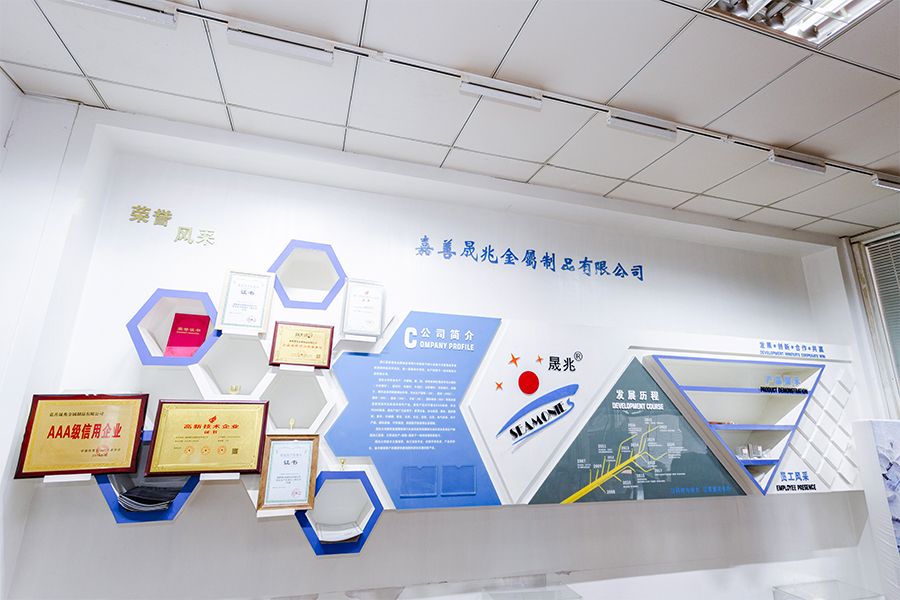
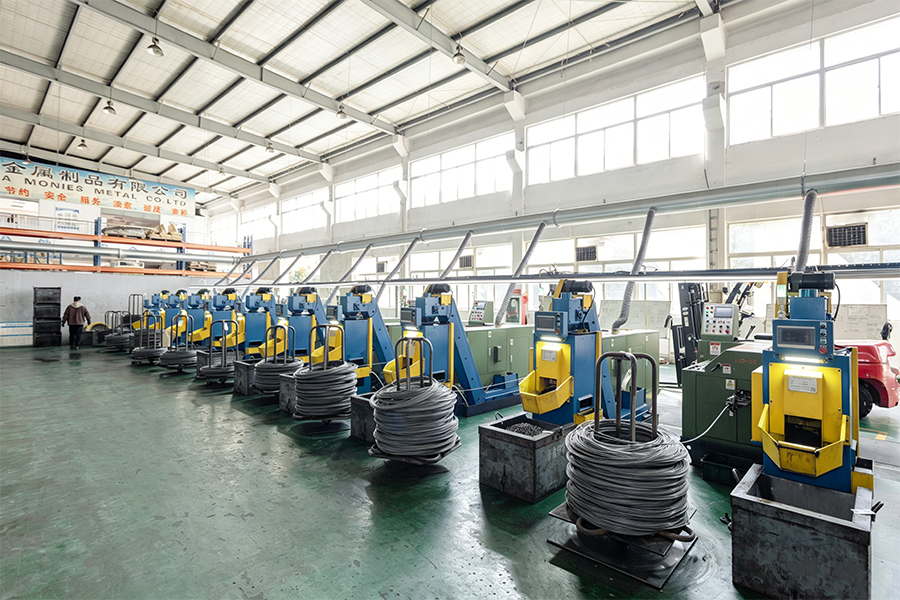
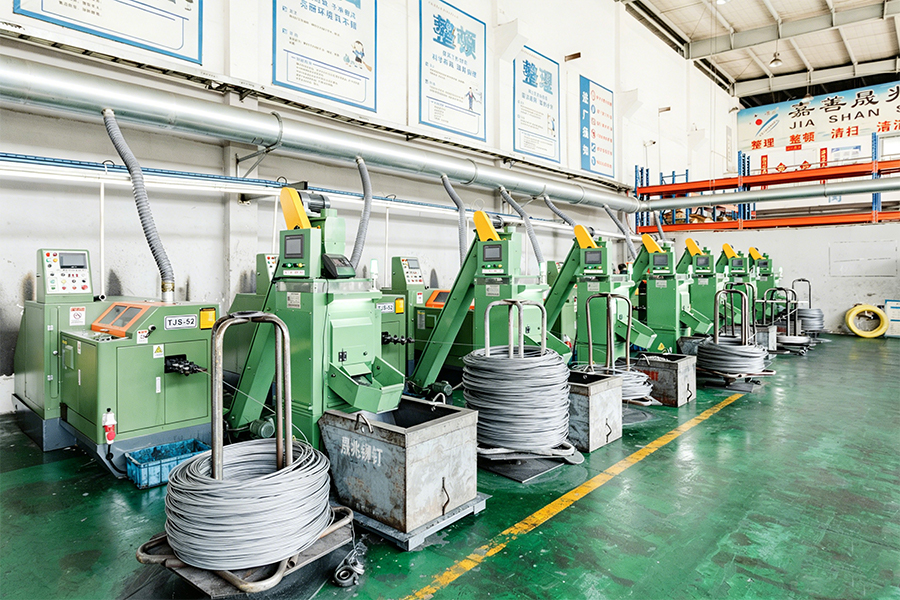
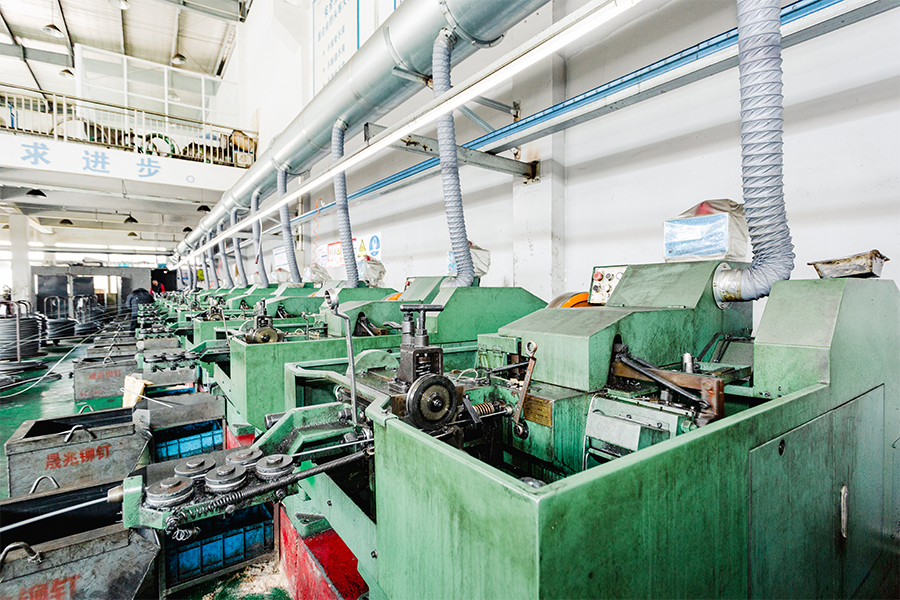
Zhejiang Chance & Union Import and Export Co., Ltd. ist ein Familienunternehmen der SEA Monies Metal Co., Ltd. und verfügt über mehr als zwei Jahrzehnte Familienerfahrung und Qualitätstradition in der Metallherstellung. Unterstützt durch die starke Produktionskapazität und die integrierte Lieferkette von Shengzhao Metal konzentriert sich das Unternehmen auf die Forschung, Entwicklung, Produktion und weltweite Lieferung hochwertiger Befestigungsprodukte.
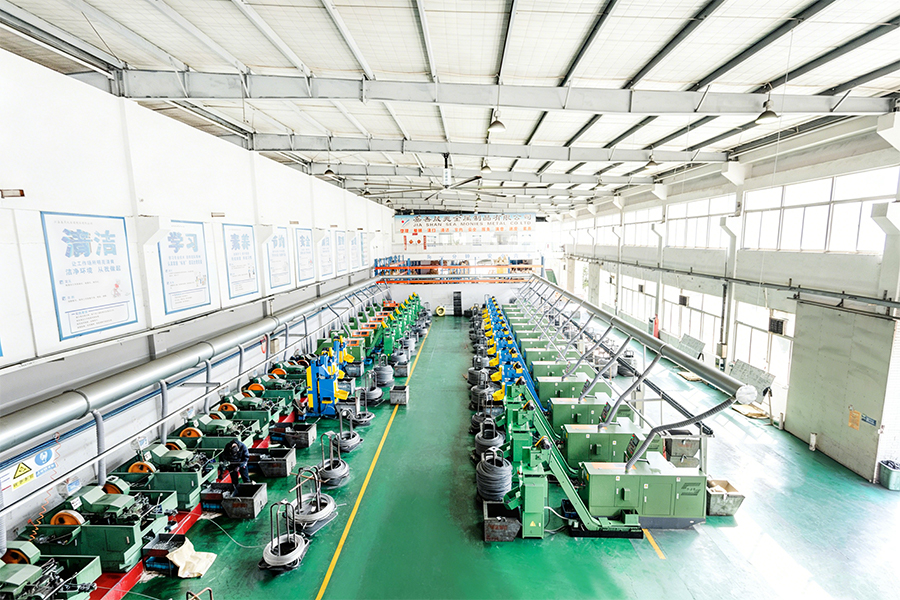
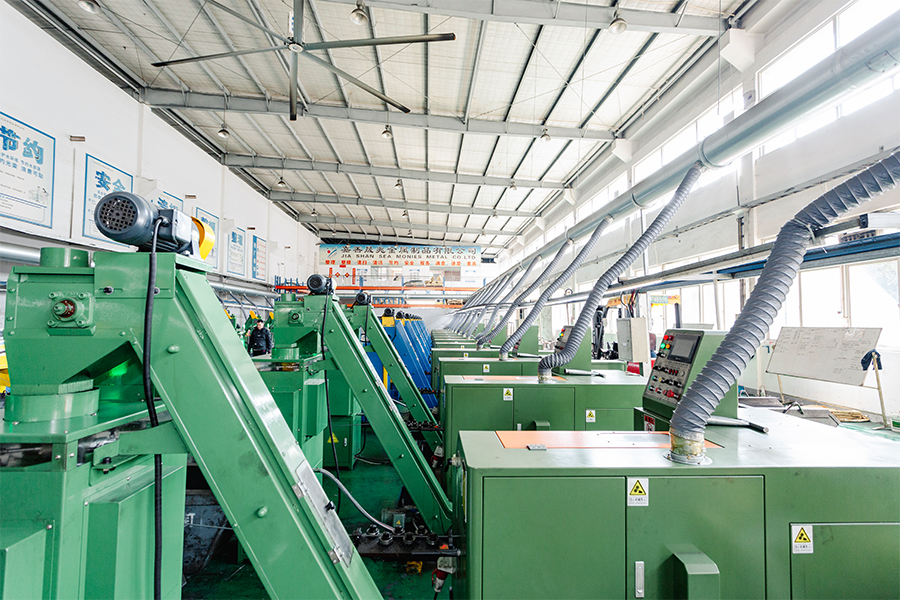
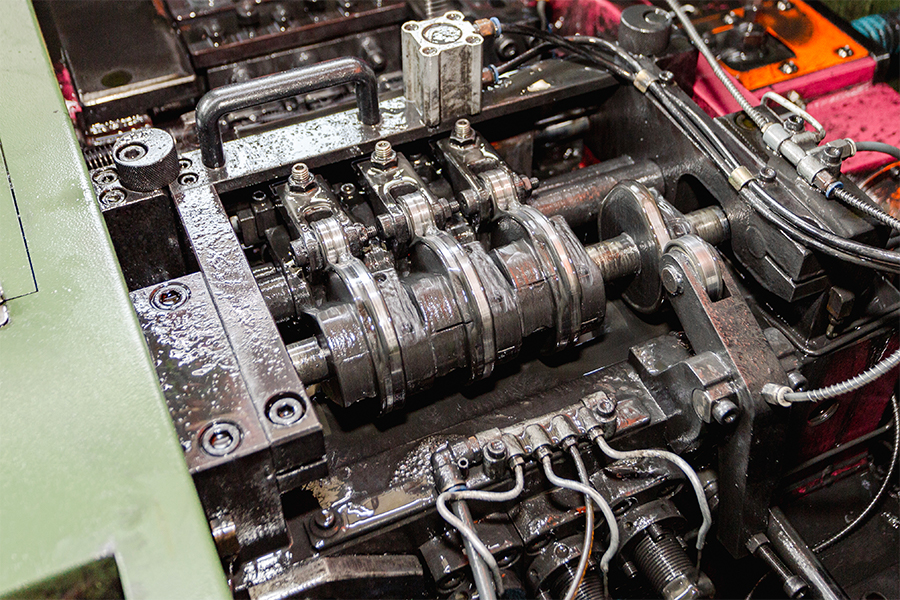
Mithilfe fortschrittlicher Fertigungskapazitäten produziert Zhejiang Chance & Union Import and Export Co., Ltd. hochfeste Nieten, Bolzen, Muttern, Unterlegscheiben, Stifte, Präzisionselektronikschrauben und verschiedene kundenspezifische, nicht standardmäßige Teile. Zu den verfügbaren Materialien gehören Edelstahl, legierter Stahl, Aluminiumlegierung, Kupfer und Speziallegierungen, unterstützt durch Präzisionskaltstauch-, Warmschmiede- und CNC-Bearbeitungstechnologien, um vielfältige industrielle Anforderungen zu erfüllen.
Chance & Union ist bestrebt, hochwertige Fertigung mit globalen Märkten zu verbinden und bietet Befestigungslösungen aus einer Hand, die Produktentwicklung, technische Unterstützung, kundenspezifische Produktion und Massenfertigung umfassen. Durch kontinuierliche Investitionen in Technologie, strenges Qualitätsmanagement und stabile Produktionssysteme liefert das Unternehmen zuverlässige Befestigungslösungen für Kunden aus den unterschiedlichsten Branchen.
Fazit
Sowohl Edelstahl als auch Kohlenstoffstahl sind nach wie vor ausgezeichnete Materialien für Präzisionsschrauben in der Elektronik, dienen jedoch unterschiedlichen technischen Prioritäten. Edelstahl bietet eine hervorragende Korrosionsbeständigkeit, ein attraktives Aussehen und eine lange Haltbarkeit und eignet sich daher ideal für Produkte, die in anspruchsvollen Umgebungen eingesetzt werden oder eine längere Lebensdauer erfordern. Kohlenstoffstahl bietet hervorragende mechanische Festigkeit, hervorragende Verarbeitbarkeit und Kosteneffizienz, insbesondere in Kombination mit geeigneten Oberflächenbehandlungen.
Anstatt zu fragen, welches Material allgemein besser ist, sollten Ingenieure Umweltbelastung, strukturelle Anforderungen, Herstellungsprozesse, erwartete Produktlebensdauer und Budget bewerten. Durch die Abstimmung der Materialeigenschaften auf die Anwendungsanforderungen können Hersteller eine zuverlässige Befestigungsleistung, eine verbesserte Montagequalität und eine größere langfristige Produktstabilität erzielen.
FAQ
1. Sind Präzisions-Elektronikschrauben aus Edelstahl immer besser als Schrauben aus Kohlenstoffstahl?
Nein. Edelstahl bietet eine bessere Korrosionsbeständigkeit, während Kohlenstoffstahl oft eine höhere Härte und eine bessere Kosteneffizienz bietet. Die optimale Wahl hängt von der Anwendungsumgebung und den Leistungsanforderungen ab.
2. Wo werden Mikroschrauben am häufigsten verwendet?
Mikroschrauben werden häufig in Smartphones, Laptops, tragbaren Geräten, Kameras, medizinischer Elektronik, Kommunikationsgeräten und anderen kompakten elektronischen Baugruppen verwendet, die eine hohe Befestigungspräzision erfordern.
3. Können Miniaturschrauben aus Kohlenstoffstahl Korrosion widerstehen?
Ja. Obwohl Kohlenstoffstahl eine begrenzte natürliche Korrosionsbeständigkeit aufweist, können schützende Oberflächenbehandlungen wie Verzinkung, Vernickelung oder Schwarzoxid die Haltbarkeit bei vielen Innenanwendungen erheblich verbessern.
4. Welche Faktoren beeinflussen die Qualität von Präzisions-Elektronikschrauben?
Zu den Schlüsselfaktoren gehören die Qualität des Rohmaterials, die Fertigungsgenauigkeit, die Gewindepräzision, die Wärmebehandlung, die Oberflächenveredelung, die Maßhaltigkeit und eine umfassende Qualitätskontrolle während der gesamten Produktion.
5. Warum sind Miniaturschrauben in modernen Elektronikprodukten wichtig?
Miniaturschrauben sorgen für eine sichere Befestigung und unterstützen gleichzeitig kompakte Produktdesigns. Ihre hohe Maßgenauigkeit und zuverlässige mechanische Leistung tragen dazu bei, die strukturelle Stabilität aufrechtzuerhalten, die Montage zu vereinfachen und die Gesamtzuverlässigkeit elektronischer Geräte zu verbessern.





