


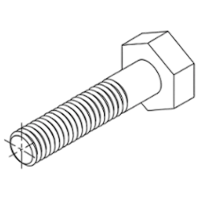
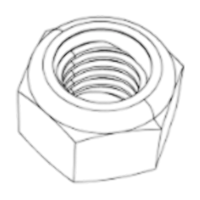











Passende Einbettungstiefe des Vierkanthalses und Kopfsenker für maximalen Herausziehwiderstand in Weichholz im Vergleich zu Hartholz
Die mechanische Leistung eines Schlossschraube Die Verbindung in Holz wird im Wesentlichen durch zwei voneinander abhängige geometrische Parameter bestimmt: die Einbettungstiefe des Vierkanthalses (die für Verdrehsicherung sorgt) und die Senktiefe des Rundkopfes (die die Bündigkeit und Lastverteilung regelt). Um einen maximalen Auszugswiderstand zu erreichen, ohne dass es zu Holzspaltungen kommt, sind für Weichholz und Hartholz aufgrund ihrer unterschiedlichen Dichte, Druckfestigkeit und Versagensarten unterschiedliche Strategien erforderlich.
1. Eigenschaften des Holzsubstrats: Weichholz vs. Hartholz
Die grundlegenden Unterschiede in der Holzdichte und -festigkeit bestimmen direkt, wie jedes Substrat auf das Einbetten und Senken von Bolzen reagiert. Die folgende Tabelle vergleicht die wichtigsten Struktureigenschaften:
| Eigentum | Weichholz (z. B. Kiefer, Fichte, Tanne) | Hartholz (z. B. Eiche, Buche, Ahorn) |
|---|---|---|
| Typischer Dichtebereich (kg/m³) | 350 – 550 | 640 – 840 |
| Biegefestigkeit (MPa) | 14 – 50 (Klassen C14 bis C50) | 30 – 70 (Klassen D30 bis D70) |
| Druckfestigkeit (MPa) // Getreide | ~40 – 46 (Fichte/Kiefer) | Deutlich höher |
| Härte (Brinell) // Körnung | 3,2 – 4,0 | Höher (Eiche ~5,5 ) |
| Fehlermodus bei zu starkem Anziehen | Komprimieren/Zerkleinern von Holzfasern | Risse/Spaltungen entlang der Faserrichtung |
| Typische Anwendungen für Schlossschrauben | Terrassendielen, Holzrahmenbau, allgemeine Bauarbeiten | Schwere Holzkonstruktionen, Möbel, Bootskojen |
2. Anforderungen an die Einbettungstiefe des quadratischen Halses
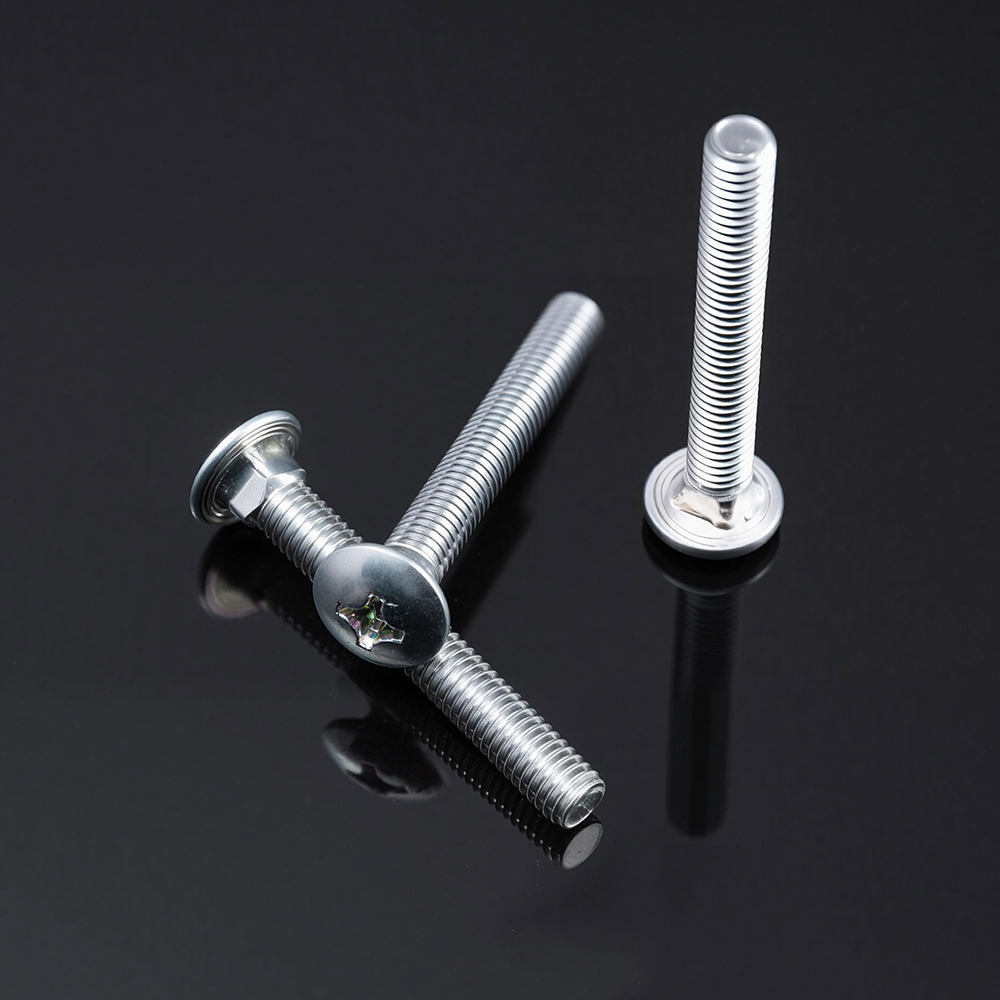
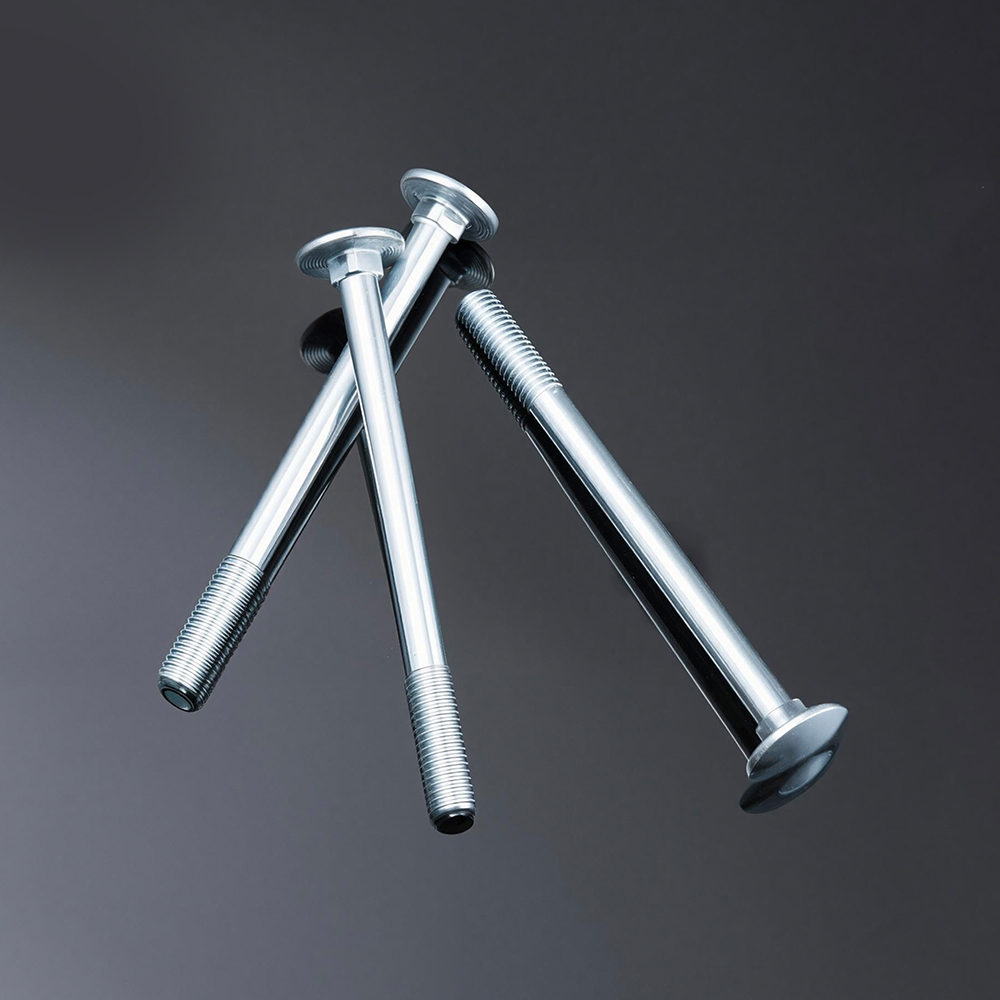
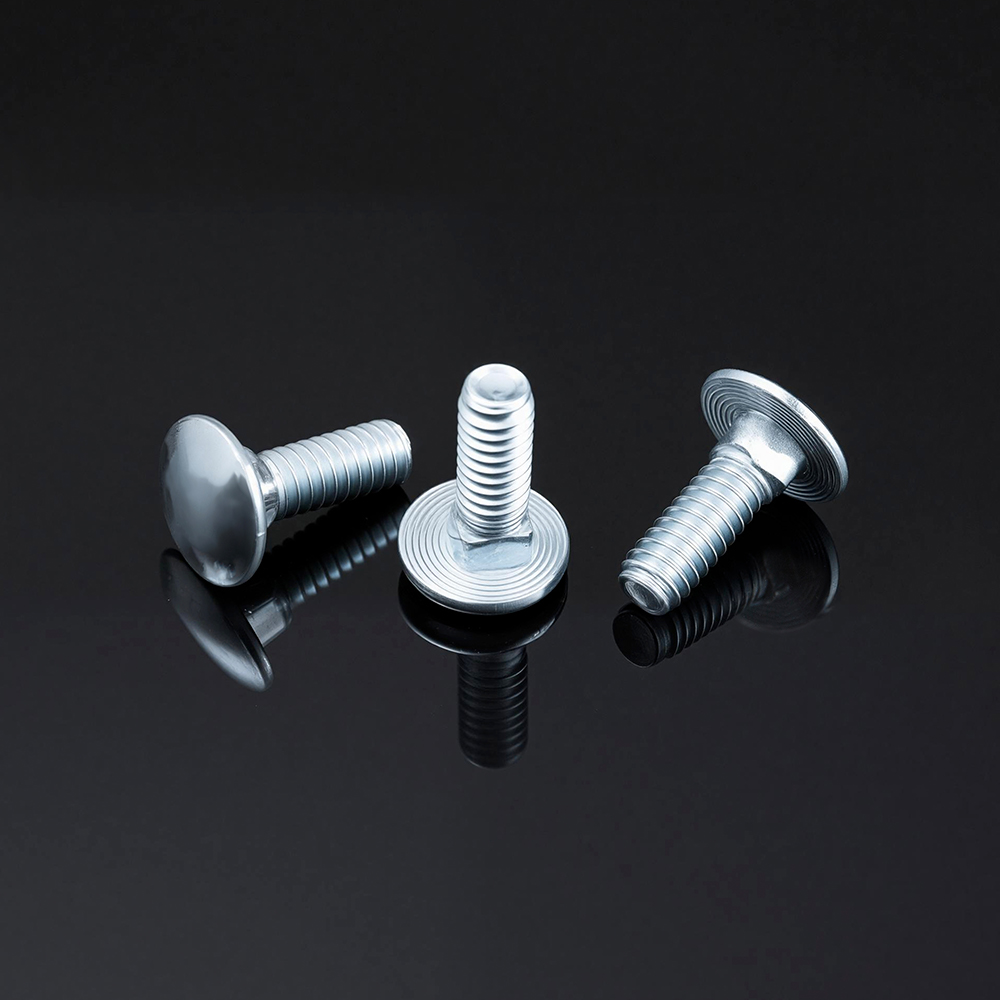
Die Funktion des Vierkanthalses besteht darin, sich in das Holz einzubetten, um eine Drehung der Schraube beim Anziehen der Mutter zu verhindern, sodass kein Schraubenschlüssel auf der Kopfseite erforderlich ist. Die Einbettungstiefe, also wie weit das Vierkantprofil in das Holz eindringt, muss auf die Kompressibilität und Scherfestigkeit des Untergrundes abgestimmt sein.
- Nadelholzstrategie (erhöhte Einbettungstiefe): Nadelhölzer haben eine geringere Dichte und Druckfestigkeit. Um eine zuverlässige Verdrehsicherung zu erreichen, sollte der Vierkanthals bis zur vollen Tiefe eingetrieben werden, sodass die Ecken die umliegenden Holzfasern vollständig verdrängen und greifen können. Da Weichholzfasern komprimiert und nicht gespalten werden, bietet eine vollständige Einbettung die maximale mechanische Verzahnung, ohne dass die Gefahr einer Rissbildung besteht.
- Hartholzstrategie (Präzisionseinbettung): Harthölzer sind dichter und anfälliger für Risse. Bei diesen Materialien sollte der Vierkanthals für maximale Auszugsfestigkeit noch vollständig eingebettet sein, das Pilotloch muss jedoch mit höherer Präzision bearbeitet werden. Der Vierkanthals erfordert eine eng anliegende Aussparung oder ein vorsichtiges Klopfen, um ein Auseinanderdrücken des Holzes zu vermeiden. Ein gängiger technischer Standard besteht darin, eine quadratische Nut passend zur Halsgröße vorzufertigen, um eine 100 % präzise Einbettung ohne Rotationstoleranz zu ermöglichen.
In beiden Fällen ist die unvollständige Einbettung des Vierkanthalses, bei der der Hals über die Holzoberfläche hinausragt, eine Hauptursache für das Durchdrehen und Lockern des Bolzens. Bei richtiger Einbettung sorgt der Vierkanthals für die mechanische Verriegelung, die Schlossschrauben für die einseitige Montage effektiv macht.
3. Kopfsenktiefe: Ausgleich von Bündigkeit und struktureller Integrität
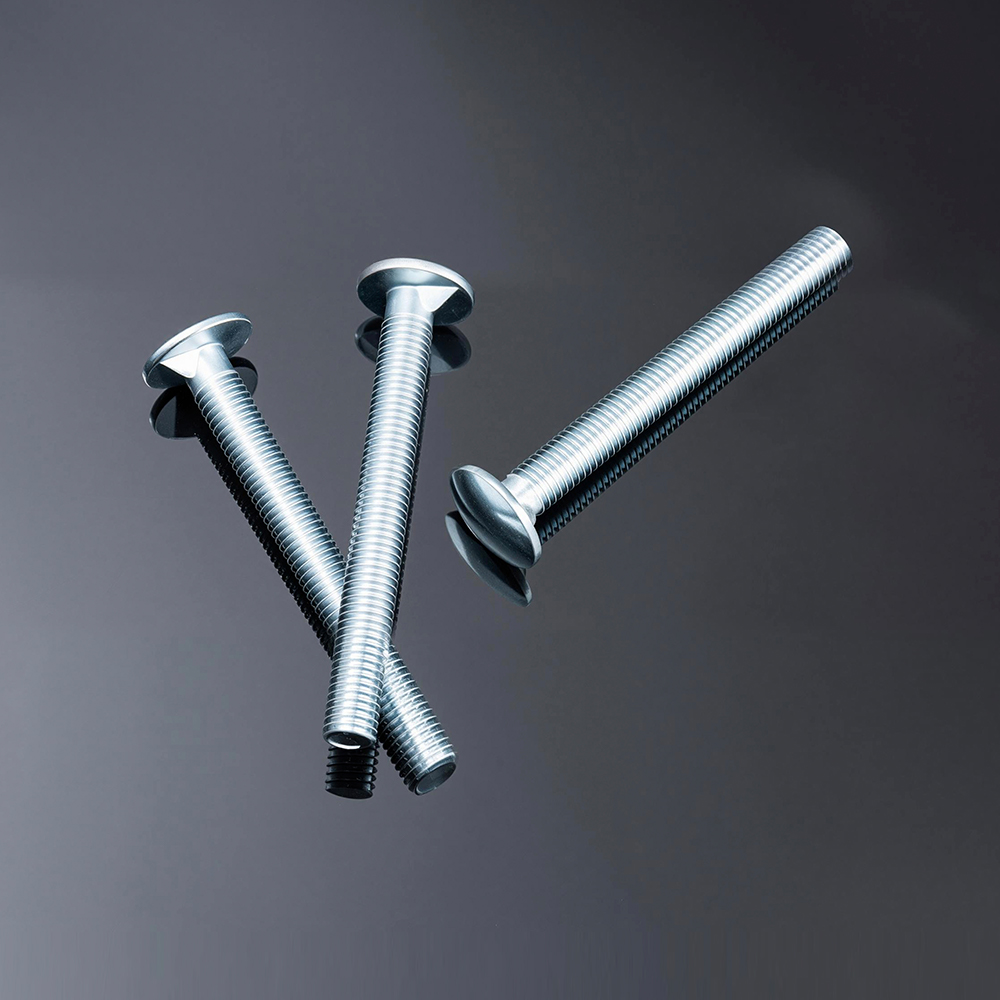
Durch das Senken sitzt der Rundkopf bündig mit oder unter der Materialoberfläche, sorgt für eine glatte Oberfläche und entfernt scharfe Vorsprünge. Allerdings muss die Tiefe der Senkung sorgfältig kontrolliert werden, um eine Schwächung des Holzes zu vermeiden.
- Weichholz (tieferes Senken möglich): Aufgrund seiner Komprimierbarkeit kann Weichholz eine tiefere Senkung aufnehmen, ohne zu splittern. Der Schraubenkopf komprimiert die darunter liegenden Fasern und schafft so eine stabile Auflagefläche. Allerdings kann ein zu starkes Versenken ohne ausreichenden Schraubenkopfkontakt die effektive Tragfläche verringern und die lokale Belastung des Holzes erhöhen.
- Hartholz (flacher oder präziser Senker erforderlich): Harthölzer erfordern einen flacheren Senker, der sorgfältig mit einem Spatenbohrer bearbeitet wird. Tiefe Senkungen in Hartholz erzeugen Spannungserhöhungen, die beim Anziehen der Mutter zur Kornspaltung führen können. Das Ziel besteht darin, einen bündigen Abschluss zu erreichen und gleichzeitig so viel Holzquerschnittsintegrität wie möglich zu bewahren.
4. Kombinierte Wirkung auf den Herausziehwiderstand und die Spaltverhinderung
Der maximale Auszugswiderstand – die Kraft, die erforderlich ist, um den Bolzen durch das Holz zu ziehen – wird erreicht, wenn sowohl der Vierkanthals als auch der Bolzenkopf optimal im Holz eingreifen, ohne seine Integrität zu beeinträchtigen.
- Weichholz: Eine tiefe Einbettung des Vierkanthalses in voller Tiefe in Kombination mit einer moderaten Senkung sorgt für den höchsten Auszugswiderstand. Die Holzfasern verdichten sich um den Hals und unter dem Kopf und bilden so eine starke mechanische Verbindung. Die Gefahr einer Spaltung ist gering, sofern ein Vorloch gebohrt wird, das etwas kleiner als der Bolzenschaft ist.
- Hartholz: Zur Verdrehsicherung ist die gleiche Einbettung in voller Tiefe erforderlich, die Senkung muss jedoch flacher und präziser gefertigt sein. Der Vierkanthals sollte vollständig sitzen, die Toleranz der Vorbohrung muss jedoch eng sein, um Spaltspannungen zu vermeiden. Bei Hartholz hilft die Verwendung von Unterlegscheiben sowohl unter dem Kopf als auch unter der Mutter, die Lasten zu verteilen und das Risiko von Quetschungen oder Splittern weiter zu verringern.
Branchendaten deuten darauf hin, dass über 80 % der Probleme bei der Installation von Schlossschrauben – einschließlich Durchdrehen der Schraube und Materialrisse – auf unsachgemäße Lochbearbeitung und nicht auf die Schraube selbst zurückzuführen sind. Ein vorgebohrtes Pilotloch, eine Senkung nur bis zur Tiefe des Kopfes und ein vollständiger quadratischer Halssitz sind die drei Säulen einer erfolgreichen Installation in beiden Holzarten.
5. Fertigungs- und Qualitätsperspektive
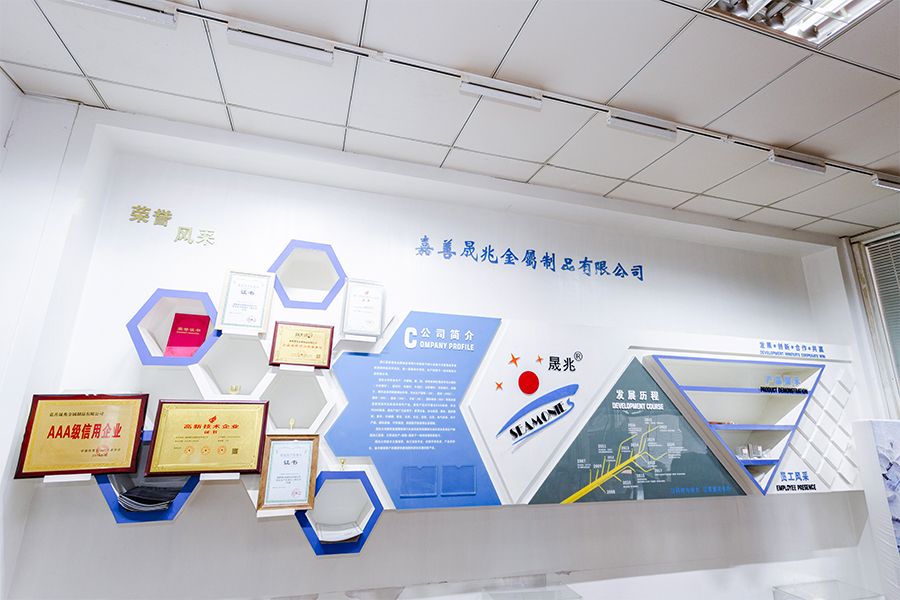
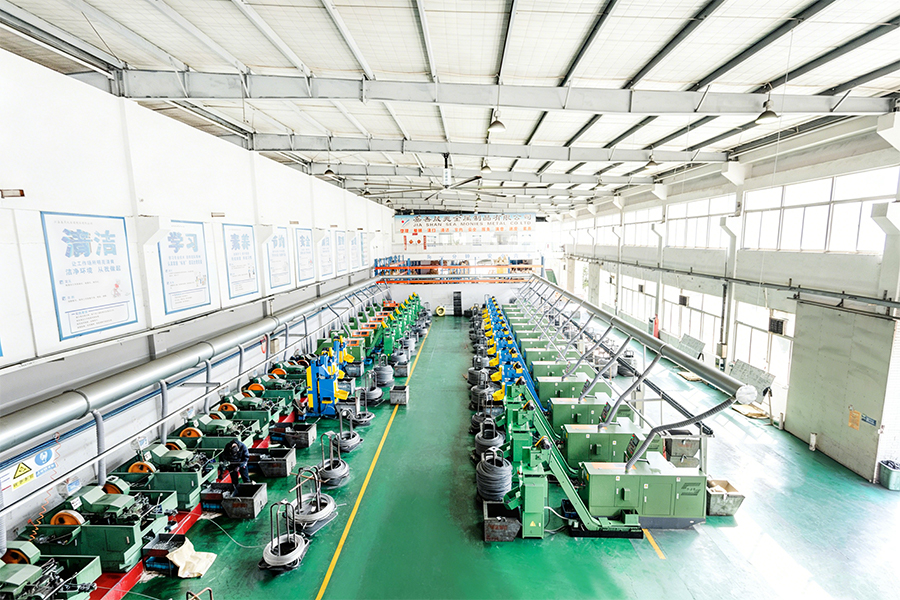
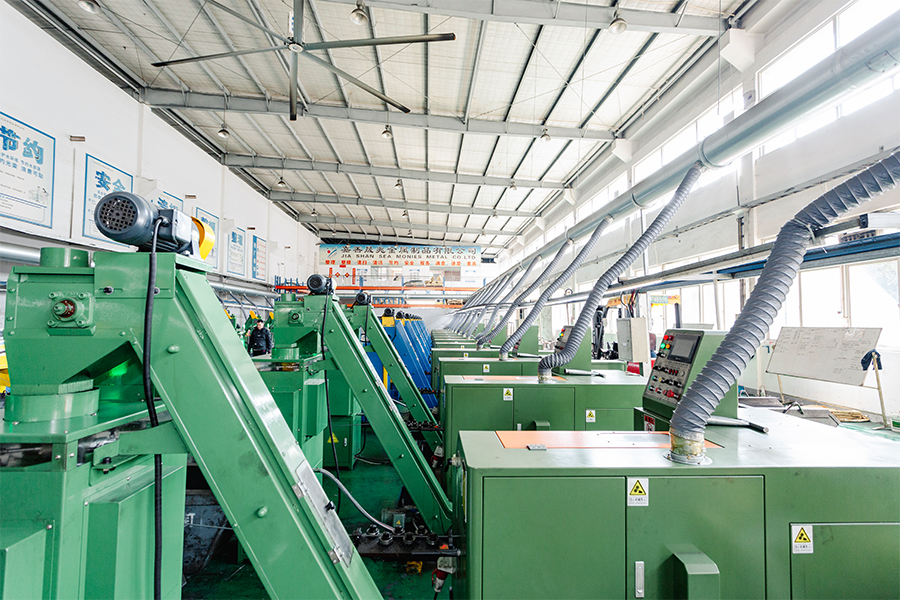
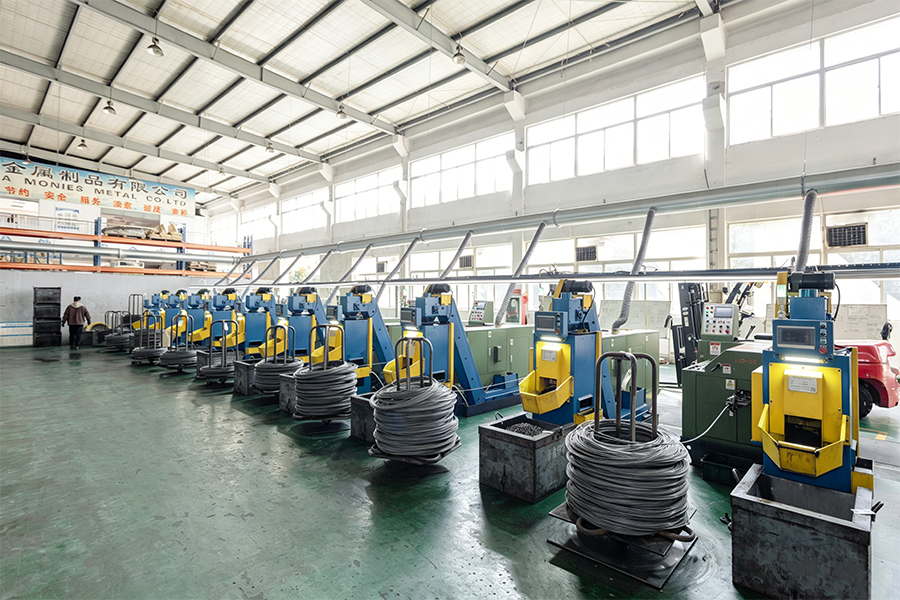
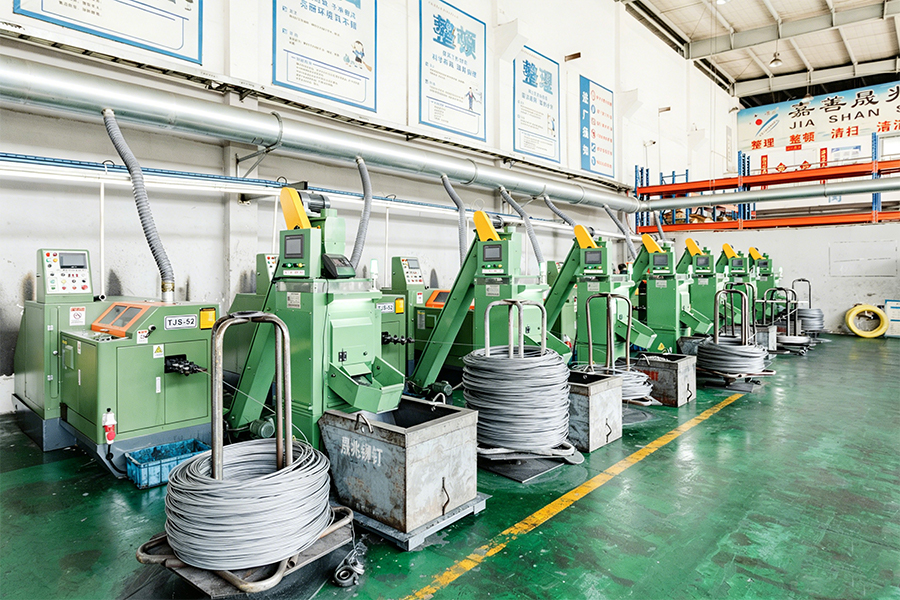
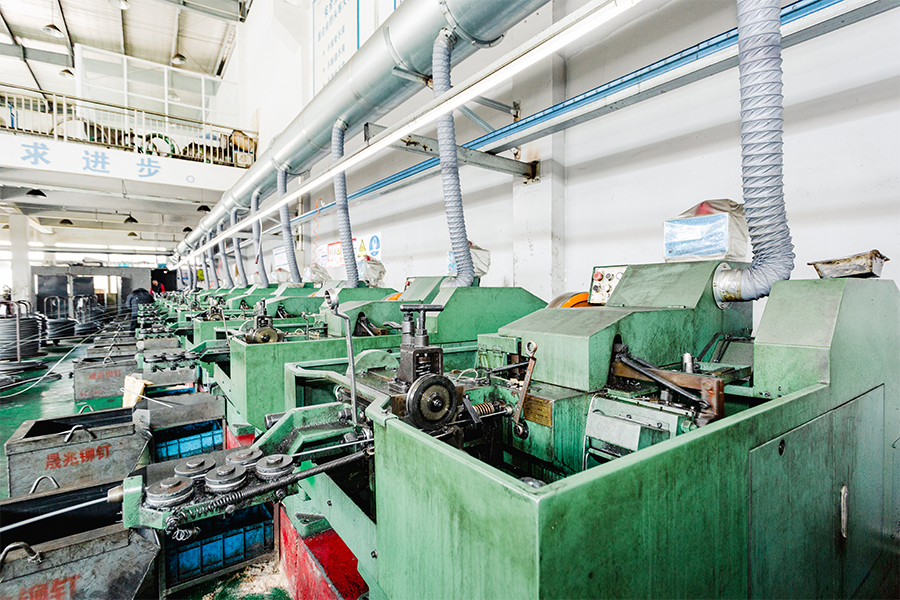
Die Präzision der Herstellung von Schlossschrauben wirkt sich direkt auf die Konsistenz der Vierkanthalsgeometrie aus – ein Schlüsselfaktor für die zuverlässige Einbettung verschiedener Holzarten. Zhejiang Chance & Union Import und Export Co., Ltd. (Chance & Union) ist ein Familienunternehmen der SEA Monies Metal Co., Ltd. und verfügt über 20 Jahre Familienerfahrung und Qualitätstradition in der Metallherstellung. Wir verlassen uns auf die starke Produktionskapazität und die Vorteile der Lieferkette von Shengzhao Metal und sind auf Forschung und Entwicklung, Produktion und weltweiten Vertrieb hochwertiger Metallprodukte spezialisiert. Getreu dem Streben der Familie nach Präzision, strenger Arbeitseinstellung und langfristigem Engagement liefern wir Kunden auf der ganzen Welt stabile und zuverlässige Produkte und Dienstleistungen.
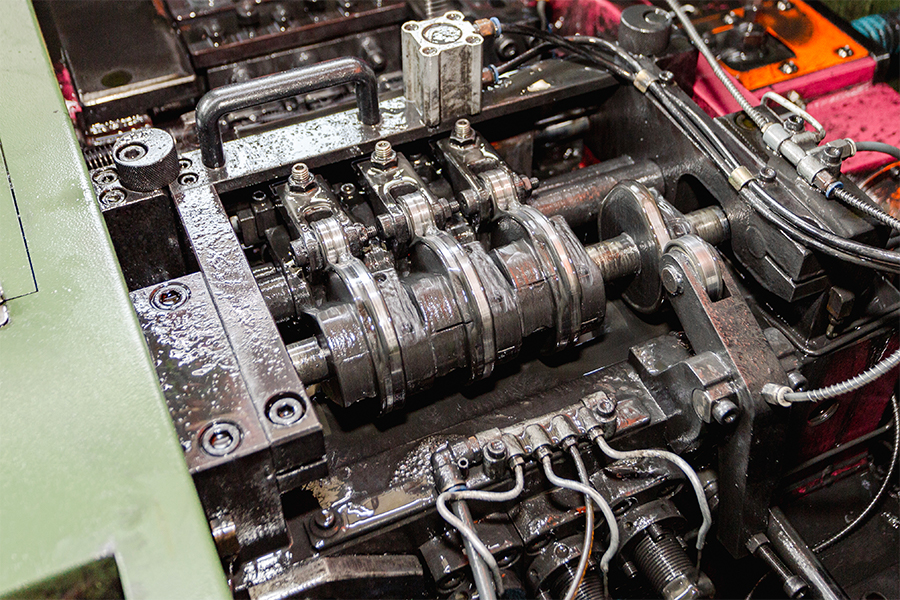
Wir nutzen die robusten F&E- und Produktionskapazitäten des Werks und sind auf hochfeste Nieten, Bolzen, Muttern, Unterlegscheiben, Stifte, Schrauben und verschiedene nicht standardmäßige kundenspezifische Teile spezialisiert. Unsere Produktpalette umfasst Materialien wie Edelstahl, legierten Stahl, Aluminiumlegierungen, Kupfer und Speziallegierungen und nutzt Prozesse wie Kaltstauchen, Warmschmieden und CNC-Bearbeitung. Unsere Produkte werden in über 25 Länder exportiert und beliefern mehr als 200 Kunden.
Chance & Union ist bestrebt, „Manufactured in China“ nahtlos mit dem internationalen Markt zu verbinden und globalen Kunden durch professionelle Technologie und außergewöhnliche Qualität Befestigungslösungen aus einer Hand von der Forschung und Entwicklung bis zur Massenproduktion zu bieten. Bei Schlossschrauben halten wir enge Toleranzen bei den Vierkanthalsabmessungen und der Kopfgeometrie ein, um eine gleichbleibende Einbettungsleistung sowohl bei Weichholz- als auch bei Hartholzanwendungen sicherzustellen.
6. Häufig gestellte Fragen (FAQ)
- F1: Sollte ich für druckimprägniertes Holz Schlossschrauben aus Edelstahl oder verzinkt verwenden?
A: Druckbehandeltes Holz enthält Chemikalien, die die Korrosion von Standardstahl beschleunigen. 18-8-Edelstahl-Schlossschrauben werden aufgrund ihrer hervorragenden Korrosionsbeständigkeit häufig für druckimprägniertes Holz empfohlen. Zhejiang Chance & Union Import und Export Co., Ltd. (Chance & Union) bietet sowohl feuerverzinkte als auch rostfreie Stahloptionen (304/316) an, um Ihren spezifischen Anforderungen an Umwelteinflüsse und Lebensdauer gerecht zu werden. - F2: Wie verhindere ich, dass sich die Schlossschraube dreht, wenn ich keinen Zugang zur Kopfseite habe?
A: Der quadratische Hals wurde speziell entwickelt, um ein Durchdrehen zu verhindern, wenn er vollständig im Holz verankert ist. Stellen Sie sicher, dass das Pilotloch den richtigen Durchmesser hat (etwas kleiner als der Schaft) und dass der Vierkanthals vollständig in das Material eingetrieben wird. Wenn das Holz stark beschädigt ist oder das Loch vergrößert ist, kann eine Nylon-Sicherungsmutter oder eine Doppelmutter zur Sicherung der Baugruppe beitragen. Zhejiang Chance & Union Import und Export Co., Ltd. (Chance & Union) empfiehlt, den Sitz des Vierkanthalses vor dem endgültigen Festziehen zu überprüfen. - F3: Welche Vorlochgröße wird für Schlossschrauben in Hartholz empfohlen?
A: Bohren Sie bei Hartholz ein Vorloch vor, das 1/16 Zoll kleiner als der Bolzenschaftdurchmesser ist, um ein Splittern zu verhindern. Der quadratische Hals erfordert sorgfältiges Gewindeschneiden oder eine vorgefertigte Aussparung für eine vollständige Einbettung. Zhejiang Chance & Union Import und Export Co., Ltd. (Chance & Union) empfiehlt die Verwendung eines Stufenbohrverfahrens oder eines speziellen Senkbohrers für Präzisionsanwendungen in Hartholz, um Spannungskonzentrationen und Risse zu vermeiden.
Umgang mit Gewindeinterferenzen bei feuerverzinkten Schlossschrauben: Wie Schleuderzentrifugieren und Gewindeschneiden nach dem Galvanisieren Beschichtungsaufbau gemäß ISO 965-1 ausgleichen
Die Feuerverzinkung (HDG) bietet einen außergewöhnlichen Korrosionsschutz Wagenschrauben Wird in Holzkonstruktionen für den Außenbereich verwendet, das Verfahren stellt jedoch eine erhebliche technische Herausforderung dar: Die Zinkbeschichtung erhöht die Dicke sowohl des Außengewindes (Schraube) als auch des Innengewindes (Mutter), wodurch möglicherweise die in ISO 965-1 definierten Gewindetoleranzgrenzen überschritten werden. Diese „Störungen“ können ohne entsprechende Kompensation die Montage erschweren oder unmöglich machen. In diesem Artikel wird erläutert, wie zwei Schlüsselprozesse – Schleuderzentrifugieren und Gewindeschneiden nach dem Galvanisieren – angewendet werden, um den funktionellen Gewindesitz wiederherzustellen.
1. Verständnis der ISO 965-1-Gewindetoleranz und des Problems der Beschichtungszugabe
ISO 965-1 definiert das standardmäßige metrische Gewindeprofil mit festgelegten Toleranzen für Innen- und Außengewinde. Bei feuerverzinkten Verbindungselementen muss die Schichtdicke als zusätzliche Schicht sowohl auf dem Bolzengewinde als auch auf dem Muttergewinde berücksichtigt werden. Der kumulative Effekt kann das Gewindespiel auf Null reduzieren oder sogar ein negatives Aufmaß erzeugen – was bedeutet, dass sich die Mutter einfach nicht auf die Schraube schrauben lässt.
Die folgende Tabelle veranschaulicht die Auswirkung der HDG-Beschichtung auf die Gewindeabmessungen für eine M12-Schrauben-Mutter-Kombination.
| Parameter | Unbeschichtet (nominal) | Mit HDG (beidseitige Beschichtung) | Interferenzakkumulation |
|---|---|---|---|
| Hauptdurchmesser des Schraubengewindes | 12.000 mm | 12.000 2 × Beschichtung = 12.080 mm | Reduzierung des Gewindespiels: insgesamt bis zu 0,160 mm |
| Kleiner Durchmesser des Muttergewindes (innen) | 10.500 mm | 10.500 - 2 × Beschichtung = 10.420 mm | |
| Effektive Gewindepassung | Spiel innerhalb der ISO 965-1-Toleranz | Potenziell Null- oder Negativspiel | Störungen verhindern den Zusammenbau |
Hinweis: Die typische HDG-Beschichtungsdicke für M12-Befestigungselemente liegt zwischen 40 und 60 µm pro Seite. Der gesamte radiale Aufbau an der Schraube (Hauptdurchmesser) und die interne Reduzierung an der Mutter (Kleinerdurchmesser) führen zusammen zu einem erheblichen Passungsproblem.
2. Kompensatorischer Prozess 1: Schleuderzentrifugation (Zentrifugalspinnen)
Das Schleuderzentrifugieren wird unmittelbar nach dem Verzinkungsbad angewendet, während die Beschichtung noch geschmolzen ist. Das Befestigungselement wird in einen perforierten Korb gegeben und mit hoher Geschwindigkeit geschleudert, wodurch überschüssiges Zink aus den Gewindegängen und anderen Oberflächen herausgeschleudert wird. Dieser Prozess erzielt drei entscheidende Ergebnisse:
- Gleichmäßige Beschichtungsdicke: Durch Drehen wird die Beschichtung auf den Gewindespitzen und -wurzeln auf eine gleichmäßigere, dünnere Schicht reduziert – typischerweise durchschnittlich 30–50 µm bei größeren Verbindungselementen. Dies trägt dazu bei, die Ablagerungen in Zonen mit kritischem Durchmesser zu minimieren.
- Thread-Bereinigung: Durch die Entfernung von überschüssigem Zink trägt der Spinnvorgang dazu bei, das Gewindeprofil zu erhalten, wodurch ein übermäßiges Füllen der Gewindewurzeln oder -spitzen verhindert und das Risiko größerer Störungen verringert wird.
- Kontrollierte Variation: Durch eine gut kontrollierte Zentrifugierung können die Schwankungen der Beschichtungsdicke innerhalb einer Charge verringert werden, wodurch der anschließende Abstichprozess vorhersehbarer und zuverlässiger wird.
Allerdings reicht das Zentrifugieren allein nicht immer aus, um die Passung nach ISO 965-1 zu erreichen, insbesondere bei Schrauben mit größerem Durchmesser (M16 und höher) und höheren Beschichtungsanforderungen. Als sekundärer Kompensationsschritt ist häufig ein nachverzinktes Gewindeschneiden erforderlich.
3. Ausgleichsprozess 2: Gewindeschneiden oder Gewindebürsten nach dem Galvanisieren
Beim Nachverzinken (oder Gewindebürsten) wird ein gehärteter Gewindebohrer oder eine gehärtete Bürste durch das beschichtete Gewinde geführt, um überschüssiges Zink selektiv von den Gewindeflanken und -kämmen zu entfernen, ohne blanken Stahl freizulegen. Dieser Vorgang wird durchgeführt, nachdem die Beschichtung abgekühlt und verfestigt ist.
- Selektive Entfernung: Der Gewindebohrer schneidet oder komprimiert die Zinkbeschichtung auf den Gewindekämmen und -flanken und stellt so das Gewindeprofil wieder in eine standardmäßige geometrische Form her, während das verbleibende Zink am Grund und anderen Oberflächen zum Korrosionsschutz intakt bleibt.
- Durchmesserwiederherstellung: Durch das Gewindeschneiden wird der Hauptdurchmesser des Außengewindes verringert und der Nebendurchmesser des Innengewindes gereinigt, wodurch das von ISO 965-1 geforderte Spiel wiederhergestellt wird. Die gewünschten Abstände nach dem Gewindeschneiden sind in der Regel in Normen festgelegt, um eine reibungslose Montage von Schraube und Mutter zu gewährleisten.
- Konservierung der Beschichtung: Bei ordnungsgemäßer Durchführung wird beim Nachverzinken nur das überschüssige Zink – etwa 10–15 µm von den Spitzen entfernt – entfernt, ohne dass die Beschichtung unter die in ASTM A153 oder ISO 1461 geforderte lokale Mindestdicke fällt.
Viele Hersteller, darunter Chance & Union, verwenden eine Kombination aus kontrolliertem Zentrifugieren und Präzisionsgewindeschneiden, um sicherzustellen, dass HDG-Schienenschrauben durchweg die Passungsanforderungen der ISO 965-1 erfüllen und gleichzeitig die Integrität der Beschichtung wahren.
4. Fertigungsperspektive: Konsistente Gewindepassung erreichen
Die Kombination aus Schleuderzentrifugieren und Nachgalvanisieren erfordert eine sorgfältige Prozesskontrolle. Zu den Schlüsselvariablen gehören die Eintauchzeit, die Entnahmegeschwindigkeit, die Zentrifugengeschwindigkeit, die Hahngeometrie und die im Sekundärvorgang verwendeten Schneidparameter. Zhejiang Chance & Union Import und Export Co., Ltd. (Chance & Union) ist ein Familienunternehmen der SEA Monies Metal Co., Ltd. und verfügt über 20 Jahre Familienerfahrung und Qualitätstradition in der Metallherstellung. Wir verlassen uns auf die starke Produktionskapazität und die Vorteile der Lieferkette von Shengzhao Metal und sind auf Forschung und Entwicklung, Produktion und weltweiten Vertrieb hochwertiger Metallprodukte spezialisiert. Getreu dem Streben der Familie nach Präzision, strenger Arbeitseinstellung und langfristigem Engagement liefern wir Kunden auf der ganzen Welt stabile und zuverlässige Produkte und Dienstleistungen.
Wir nutzen die robusten F&E- und Produktionskapazitäten des Werks und sind auf hochfeste Nieten, Bolzen, Muttern, Unterlegscheiben, Stifte, Schrauben und verschiedene nicht standardmäßige kundenspezifische Teile spezialisiert. Unsere Produktpalette umfasst Materialien wie Edelstahl, legierten Stahl, Aluminiumlegierungen, Kupfer und Speziallegierungen und nutzt Prozesse wie Kaltstauchen, Warmschmieden und CNC-Bearbeitung. Unsere Produkte werden in über 25 Länder exportiert und beliefern mehr als 200 Kunden.
Chance & Union ist bestrebt, „Manufactured in China“ nahtlos mit dem internationalen Markt zu verbinden und globalen Kunden durch professionelle Technologie und außergewöhnliche Qualität Befestigungslösungen aus einer Hand von der Forschung und Entwicklung bis zur Massenproduktion zu bieten. Für HDG-Schienenschrauben wenden wir einen dualen Kompensationsansatz an: optimiertes Schleuderzentrifugieren zur Steuerung der Beschichtungsdicke, gefolgt von präzisem Gewindeschneiden nach dem Galvanisieren, um sicherzustellen, dass jede Schraube die ISO 965-1-Anforderungen an die Gewindepassung für eine reibungslose Mutternmontage erfüllt.
5. Häufig gestellte Fragen (FAQ)
- F1: Wie viel Schichtdicke wird normalerweise durch Gewindeschneiden nach dem Galvanisieren entfernt?
A: Durch das Gewindeschneiden werden im Allgemeinen 10–15 µm Zink von den Gewindespitzen entfernt – genug, um das Spiel wiederherzustellen, ohne den darunter liegenden Stahl freizulegen. Dadurch wird sichergestellt, dass die gemäß ASTM A153 geforderte Mindestbeschichtungsdicke (1,7 mil / 43 µm für M20-Schrauben) erhalten bleibt. Zhejiang Chance & Union Import und Export Co., Ltd. (Chance & Union) kontrolliert diesen Prozess, um sowohl die Gewindepassung als auch den Korrosionsschutz aufrechtzuerhalten. - F2: Kann allein durch Schleuderzentrifugieren die ISO 965-1-Anpassung erreicht werden, ohne dass ein Gewindeschneiden nach dem Galvanisieren erforderlich ist?
A: In einigen Fällen, insbesondere bei Schrauben mit kleinerem Durchmesser (M6–M10) und leichteren Beschichtungen, kann allein das Zentrifugieren zu akzeptablen Gewinden führen. Bei M12- und größeren Größen oder wenn eine strenge Passung gemäß ISO 965-1 erforderlich ist, ist jedoch fast immer ein nachverzinktes Gewindeschneiden erforderlich. Zhejiang Chance & Union Import und Export Co., Ltd. (Chance & Union) nutzt beide Verfahren, um eine gleichbleibende Chargenqualität über alle Durchmesser hinweg sicherzustellen. - F3: Beeinflusst das Gewindeschneiden nach dem Galvanisieren die Korrosionsbeständigkeit der Schraube?
A: Bei korrekter Durchführung wird durch das Gewindeschneiden nur das überschüssige Zink von den Gewindespitzen entfernt, sodass eine ausreichende Beschichtung auf den Gewindewurzeln und anderen kritischen Oberflächen zurückbleibt. Die Gesamtkorrosionsbeständigkeit der Schraube im Salzsprühnebeltest bleibt vergleichbar mit der eines ungeschraubten Befestigungselements. Zhejiang Chance & Union Import und Export Co., Ltd. (Chance & Union) stellt Berichte zur Überprüfung der Schichtdicke bereit, um die Einhaltung von ASTM A153 oder ISO 1461 nach dem Gewindeschneiden zu bestätigen.





